
Understanding Industrial Control Systems (ICS)
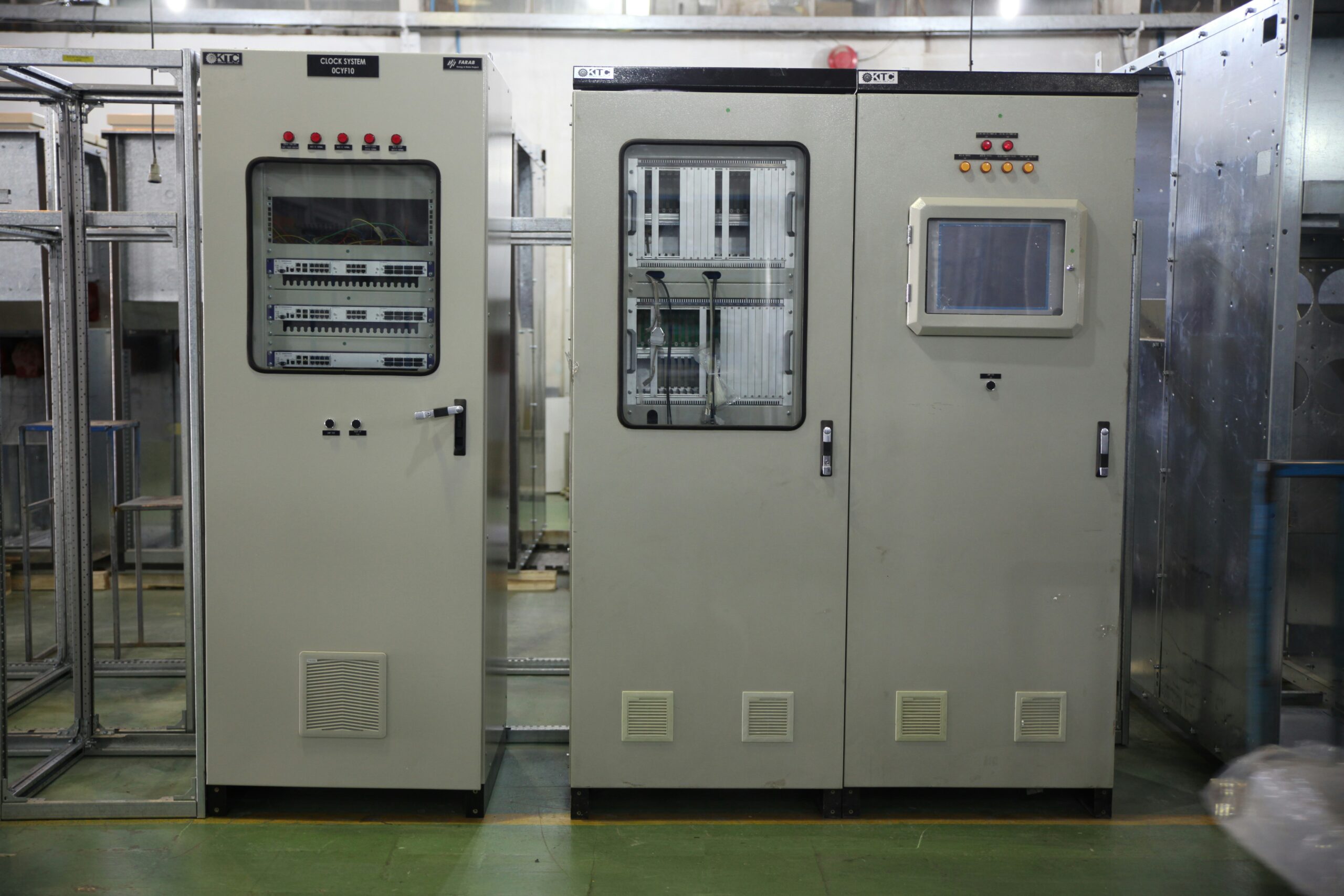
Industrial Control Systems (ICS) are crucial frameworks employed in various industries to monitor, control, and automate processes. Their primary components include Supervisory Control and Data Acquisition (SCADA) systems, Programmable Logic Controllers (PLCs), and discrete system controllers. SCADA systems typically facilitate centralized control and data collection, enabling operators to manage complex processes from a single location. Meanwhile, PLCs are versatile computing devices designed for automation, managing specific tasks such as machinery control and factory assembly processes.
ICS are indispensable in sectors such as manufacturing, energy, water management, and utilities, playing a vital role in operational efficiency and safety. These systems enable real-time monitoring and adjustment of physical processes, significantly enhancing productivity and reducing downtime. Their feedback mechanisms allow operators to respond swiftly to changes in system performance or external conditions, thereby ensuring smooth operation and minimizing risk factors associated with outages or failures.
The emergence of the Internet of Things (IoT) has fundamentally augmented the capabilities of industrial control systems. This integration allows for improved data analytics, remote monitoring, and smart decision-making. However, it also raises concerns about security and potential vulnerabilities, making ICS increasingly attractive targets for cyber threats. Unlike traditional Information Technology (IT) systems, which primarily focus on data management and processing, ICS are interdependent with physical processes and often involve critical infrastructure. This distinction underlines the importance of securing ICS against emerging threats, which can have severe consequences due to the interconnected nature of today’s industrial environments. As we delve deeper into the vulnerabilities facing ICS in 2025, it becomes essential to recognize their operational significance and the challenges posed by evolving technological landscapes.
Emerging Threats in 2025
As we move into 2025, the landscape for industrial control systems (ICS) is becoming increasingly complex and hazardous. One of the primary concerns is the evolution of cyber threats, particularly those designed to exploit the vulnerabilities inherent in these vital systems. Sophisticated malware designed to disrupt ICS operations is anticipated to become more prevalent, targeting the very infrastructure that ensures operational continuity.
Ransomware attacks have gained notoriety in recent years, and their implications for ICS are particularly alarming. As cybercriminals develop more sophisticated tactics specifically aimed at industrial control systems, organizations may face significant operational disruptions if critical functionalities are held hostage. These threats not only compromise the availability of resources but can also pose severe risks to overall safety, leading to potential accidents or disasters.
Another facet of the threat landscape is the rise of advanced persistent threats (APTs). APTs are characterized by their prolonged and targeted approach, often sponsored by state or non-state actors. These threats typically leverage a combination of technical and social engineering tactics to gain unauthorized access to critical infrastructure. Once embedded within an ICS, APTs can remain undetected for long periods, allowing attackers to observe and potentially manipulate operations.
The interconnectivity of systems due to the adoption of IoT devices presents an additional layer of vulnerability. While increased connectivity can enhance efficiency and data exchange, it also opens new avenues for exploitation. Attackers can leverage weak links in IoT devices to gain access to ICS networks, disrupting operations or stealing sensitive information. As such, organizations must bolster their cybersecurity measures and remain vigilant to the evolving nature of threats targeting industrial control systems.
Impact of Cyber Threats on Industries
The increasing sophistication of cyber threats poses significant challenges to industries relying on industrial control systems (ICS). As these systems are essential for managing operations in sectors such as manufacturing, energy, and transportation, the ramifications of a successful cyber breach can be both extensive and severe. Each attack not only jeopardizes operational integrity but also incurs substantial economic costs. Downtime resulting from a compromised ICS can lead to significant production losses; for instance, an outage in a manufacturing facility can halt entire assembly lines, resulting in financial losses that can exceed millions of dollars. Furthermore, recovery efforts can extend over several days or weeks, amplifying these costs.
In addition to direct financial losses, organizations may face regulatory penalties if they fail to comply with industry standards and protocols. A notable example is the 2017 ransomware attack on the San Francisco Municipal Transportation Agency, which resulted in not only operational disruption but also regulatory scrutiny and financial penalties that compounded the initial losses. Reputational damage is another crucial component that organizations must navigate post-attack. A successfully executed cyber threat can erode consumer trust, leading to a decline in business opportunities and partnerships. Once reputations are tarnished, it can take years for organizations to restore public confidence.
The ramifications extend beyond immediate financial and reputational impacts; they can also pose risks to public safety and infrastructure reliability. For instance, attacks targeting critical infrastructure, such as power grids or water supply systems, can lead to service outages impacting millions. These types of threats underline the pressing need for enhanced security measures tailored to ICS. Ensuring the safety, reliability, and resilience of these crucial systems is not just vital for businesses; it is essential for societal stability and security in an increasingly digital landscape. The interplay between cyber threats and industrial sectors emphasizes that cybersecurity should remain a top priority for organizations reliant on ICS.
Mitigation Strategies and Future Outlook
The increasing threats to industrial control systems (ICS) necessitate a proactive approach to cybersecurity. Industries must adopt multiple strategies to mitigate potential risks effectively. One recommended approach is the implementation of zero-trust architectures, which assume no user or device is inherently trustworthy. By enforcing strict access controls and continuously verifying identities, organizations can significantly limit unauthorized access to critical systems. This methodology is pivotal in an environment where threats can emerge from both external sources and internal vulnerabilities.
Moreover, conducting regular risk assessments is vital in identifying existing weaknesses within ICS infrastructures. Comprehensive assessments enable organizations to prioritize their cybersecurity efforts, allocate resources effectively, and remain vigilant against evolving threats. An ongoing cycle of evaluating risks and updating security measures will enhance resilience against attacks aimed at compromising industrial operations.
Employee training and awareness programs play a crucial role in the cybersecurity landscape. By fostering a culture of security within an organization, employees become the first line of defense against potential breaches. Training personnel to recognize phishing attempts, social engineering tactics, and other cyber threats can minimize human error, which is often a contributing factor to security incidents.
Additionally, sharing threat intelligence among industries encourages collaborative approaches to combat cyber threats. By leveraging information about recent attacks, vulnerabilities, and mitigation techniques, organizations can bolster their defenses and foster a community-oriented response to cybersecurity challenges.
The future of ICS security is closely tied to emerging technologies, particularly artificial intelligence (AI). Utilizing AI for threat detection and response can enhance operational efficiency, allowing for quicker reaction times and more informed decisions. Furthermore, establishing robust regulatory frameworks will provide guidelines that reinforce cybersecurity practices across industries, ensuring a more secure environment for industrial control systems.